Whole Wheat Chakki Atta Supplier: How to Choose the Right Partner
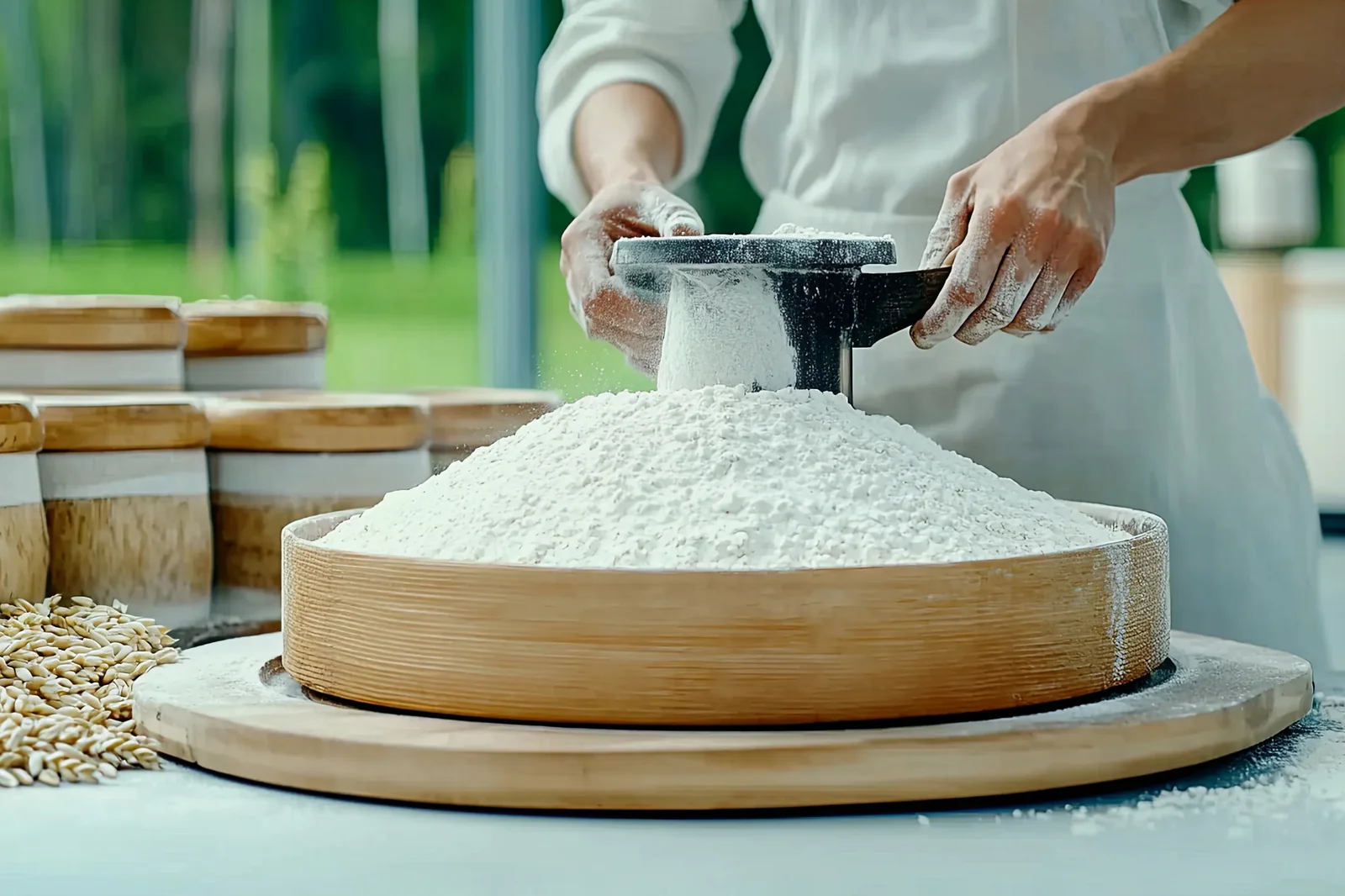
Whole wheat atta is a staple in Indian kitchens, and its popularity continues to grow as more people look for wholesome food choices. For retailers, hostels, caterers and other bulk buyers, finding a dependable whole wheat chakki atta supplier is essential for keeping customers satisfied and kitchens running smoothly.
This guide explains what whole wheat chakki atta is, what makes it different and how to evaluate a supplier.
What Is Whole Wheat Chakki Atta?
Whole Wheat Explained
Whole wheat atta is made by grinding the entire wheat grain, including the bran, germ and endosperm. This is different from refined flour, which mainly uses the endosperm.
The Chakki Milling Approach
Chakki milling uses stone grinding, which is valued for producing flour with a distinctive aroma and texture. Many consumers choose chakki atta for its traditional character.
Why It Remains Popular
Whole wheat chakki atta works for rotis, phulkas, parathas, puris and many regional breads. Its taste and versatility keep it at the centre of Indian cooking.
Benefits of Whole Wheat Chakki Atta
Dietary Fibre
Because the bran is retained, whole wheat flour provides more dietary fibre than refined flour. This supports a balanced diet when combined with other healthy foods.
Natural Nutrients
The germ and bran contain natural vitamins and minerals. While exact nutrient content depends on the wheat and processing, whole wheat is generally regarded as more nutrient-rich than refined flour.
Satisfying Taste and Texture
Rotis made from whole wheat chakki atta have a rich, earthy flavour and a pleasing texture, which many families prefer.
Qualities to Look for in a Supplier
Consistent Quality
Every delivery should match the previous one in colour, texture, aroma and dough behaviour. Consistency is crucial for businesses that serve the same customers every day.
Careful Raw Material Selection
A good supplier chooses wheat that is clean, dry and properly graded. Poor wheat leads to poor flour, no matter how good the mill is.
Hygienic Processing
Look for clean milling and packing facilities, hygienic handling and a valid FSSAI licence. Responsible suppliers are happy to discuss their processes.
Freshness Management
Ask about stock turnover and packing dates. Fresh flour has better flavour, and stale flour can affect your customers' experience.
Flexible Packaging
Suppliers should offer pack sizes that suit different customers, such as small packs for retail and large bags for institutions.
Questions to Ask Before Placing an Order
Can I Get a Sample First?
A supplier confident in their product will provide samples so that you can test dough, roti quality and shelf behaviour.
What Are the Minimum Order Quantity and Delivery Timelines?
Understand the minimum quantities, payment terms and delivery schedules so that you can plan stock without risk of shortages or overstocking.
How Do You Handle Quality Complaints?
A good supplier has a clear process for addressing concerns, replacing faulty stock and learning from feedback.
Is Private Labelling Available?
Retailers who want to sell under their own brand should ask whether the supplier offers private labelling and what the requirements are.
Whole Wheat Atta for Different Buyers
Retailers and Distributors
Reliable supply, attractive packaging and steady quality help build repeat sales. Distributors should also consider shelf life and ease of handling.
Hotels, Hostels and Caterers
Large kitchens depend on consistent dough performance. A supplier who can deliver regularly in bulk makes planning much easier.
Food Businesses
Manufacturers of rotis, parathas and other ready-to-cook products need uniform flour so that their processes run smoothly.
Storage and Handling Best Practices
Keep atta in a cool, dry, well-ventilated store, off the floor and away from walls. Use older stock first, check bags for damage and keep the area free from pests. Once bags are opened, transfer flour to airtight containers to protect it from moisture and insects.
A Simple Supplier Checklist
Before ordering, confirm the FSSAI licence, ask for samples, check the packing date, clarify delivery and payment terms, and agree on how quality complaints will be handled. Written confirmation of these points avoids confusion later.
Frequently Asked Questions
Expert answers on grain quality, milling methods, bulk supply and storage.
Is whole wheat atta the same as multigrain atta?
No. Whole wheat atta is made from wheat alone, while multigrain atta blends several grains. Check the label to see exactly what the pack contains.
Why does whole wheat atta sometimes make harder rotis?
Common causes include too little water, short resting time or old flour. Using enough water and resting the dough for 15 to 20 minutes usually helps.
What pack sizes are best for bulk buyers?
Larger bags such as 25 kg or 50 kg suit hostels, caterers and shops, but the best size depends on your storage and usage.
Conclusion
A good whole wheat chakki atta supplier is a partner in your business. By looking for consistent quality, hygiene, freshness, flexible packaging and honest communication, you can secure atta that keeps customers coming back.
Looking for Wholesale Wheat Flour or Milling Supply?
Tara Grains supplies whole wheat chakki atta for retail and bulk buyers. Contact us to ask for samples and a quotation tailored to your requirement.