Maida Wholesale Supplier for Food Businesses: A Practical Buying Guide
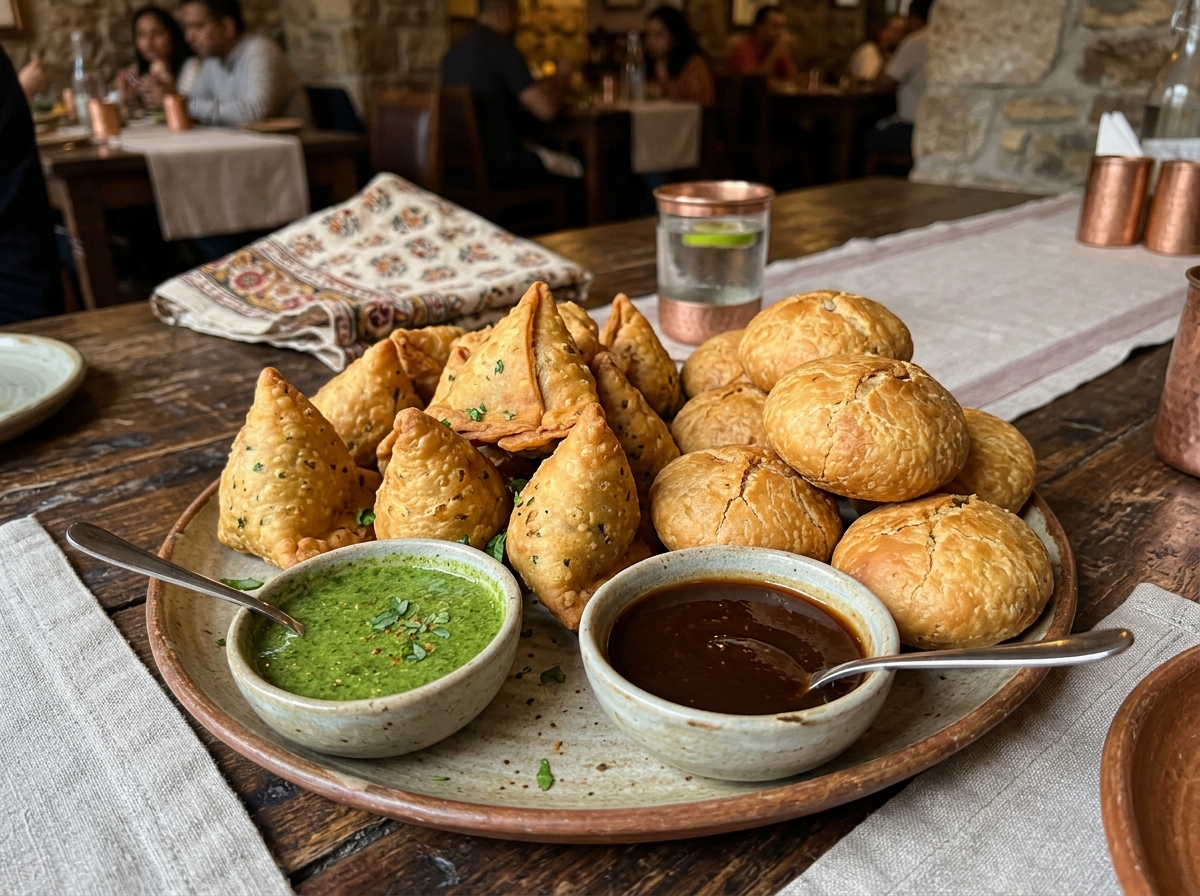
Maida goes into biscuits, breads, noodles, snacks, sweets and street food. For food businesses, the quality of maida directly shapes taste, texture and customer satisfaction.
This practical guide covers how to select a wholesale maida supplier and avoid common buying mistakes.
Know What Maida Quality Means
Fineness and Colour
Good maida is fine, smooth and uniformly white to creamy white, without dark specks.
Gluten Strength
Gluten affects stretch and elasticity. Breads and parottas need stronger dough, while cookies and namkeen may prefer softer flour.
Matching Maida to Your Product
Bakery and Confectionery Use
Cakes, buns and pastries depend on clean flavour and predictable rise.
Snacks and Fried Foods
For samosa sheets, mathri or noodles, flour should roll thin without tearing and fry evenly.
Restaurant and Street Food Use
Parottas, naan and kulcha need dough that is soft yet elastic and easy to handle in volume.
Choosing the Right Supplier
Consistency Across Deliveries
Variable maida changes your recipes. Ask for batch-level quality checks.
Packaging and Hygiene
Look for sealed, clean bags in sizes such as 25 kg and 50 kg that protect flour from moisture.
Price and Payment Terms
Compare total landed cost and negotiate terms that match your business cash cycle.
Storage Tips After Purchase
Keep It Cool and Dry
Store off the floor and away from strong odours, since flour absorbs smells easily.
Use First-In, First-Out
Rotating stock keeps flour fresh and reduces wastage.
Conclusion
A reliable maida supplier saves you from recipe rework and unhappy customers. Test samples in your own products before ordering at scale. Tara Grains invites food businesses to discuss their maida requirements with us.
Looking for Wholesale Wheat Flour or Milling Supply?
Tara Grains provides reliable commercial flour supply for bakeries, retail chains, food processors, and HoReCa partners across Telangana and Andhra Pradesh.