Flour Supplier for Food Manufacturers: Building a Reliable Ingredient Partnership
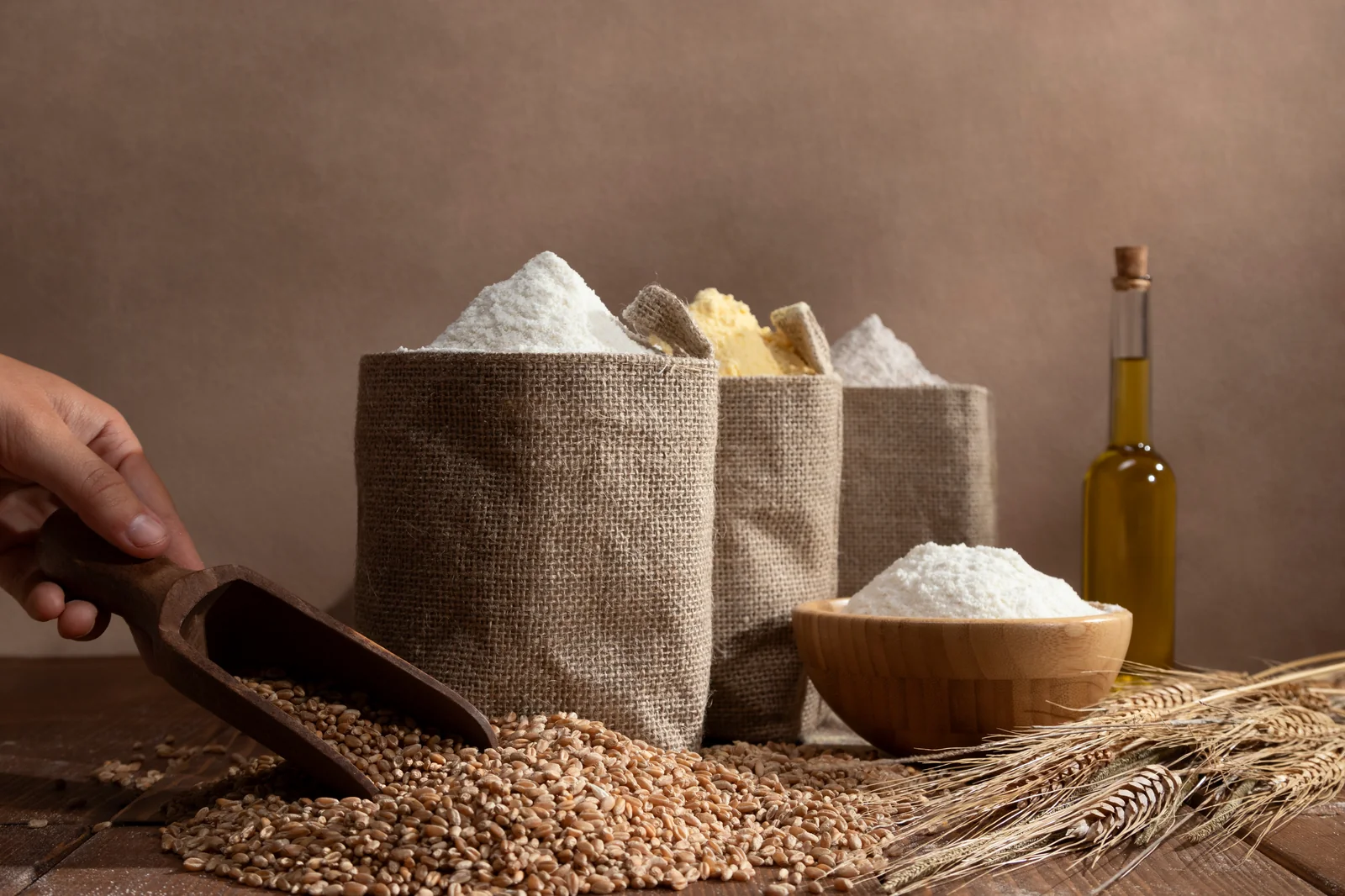
For food manufacturers, flour is more than a raw material. It determines the texture of biscuits, the chew of noodles, the rise of bread and the crispness of snacks. Any inconsistency can ripple through production, from machine settings to final product quality. A dependable flour supplier is therefore a core part of a manufacturer's supply chain.
This guide explains how to choose a flour supplier that supports quality, efficiency and growth.
Understanding Your Flour Requirements
Identify the Right Flour Type
Common options include maida, whole wheat atta, chakki atta, semolina and specialised blends. Each suits different products, so define your needs by product category.
Define Technical Specifications
Work with your technical team to set parameters such as protein, moisture, ash, particle size and colour. Written specifications make supplier comparison objective.
Consider Processing Conditions
Mixing time, baking temperature, extrusion and frying conditions all interact with flour properties. Share these details with the supplier so that they can recommend suitable grades.
What Makes a Good Flour Supplier?
Consistent Quality Across Batches
Consistency is the single most important quality. Variation forces your team to adjust recipes and machines, raising the risk of waste.
Technical Support
A knowledgeable supplier can advise on flour selection, troubleshoot dough problems and assist with new product development.
Transparent Documentation
Look for certificates of analysis, specification sheets and traceability records. Clear documentation supports your own quality and audit systems.
Food Safety Culture
A supplier should demonstrate hygienic processing, pest control and a valid FSSAI licence, along with willingness to share relevant audit information.
Responsive Service
Quick answers to queries, flexible order handling and prompt resolution of complaints show how a supplier will behave when issues arise.
Quality Control Practices to Ask About
Incoming Grain Inspection
Quality begins at the farm gate and mill gate. Ask how wheat is checked before milling.
In-Process Checks
Cleaning, milling and sieving stages should be monitored. Metal detection and magnets, where used, add protection against foreign material.
Finished Product Testing
Flour should be tested against specifications before dispatch. Ask what parameters are tested and how often.
Retained Samples
Keeping retained samples of each batch helps investigate any issue after delivery.
Supply Chain and Logistics Considerations
Capacity and Scale
Make sure the supplier can handle your current volumes and growth plans, including seasonal peaks.
Packaging and Handling
Choose packaging that fits your storage and line-feeding practices, whether it is 25 kg bags, 50 kg bags or other formats. Strong, moisture-resistant packaging reduces losses.
Delivery Reliability
Late deliveries can stop production. Agree on schedules, lead times and what happens during delays.
Storage and Shelf Life
Understand how long flour remains within specification, and store it appropriately to preserve quality.
Qualifying and Onboarding a Supplier
Start with Samples and Trials
Test flour on your own production line before approving it. Small-scale trials reveal whether the product matches your needs.
Review Facility and Systems
Visit the plant if possible, or request audit reports. Check hygiene, process control and documentation.
Run Pilot Orders
Begin with moderate quantities and monitor results across several batches.
Agree on Quality Terms
Put specifications, acceptance criteria and complaint handling procedures in writing to avoid disputes later.
Managing Cost and Risk
Wheat prices fluctuate, so ask how the supplier handles price changes and what contract options are available. Consider keeping a second approved supplier for critical flour types to reduce the risk of disruption. Compare offers on total value, including quality, reliability, support and service.
Common Mistakes to Avoid
Avoid choosing on price alone, skipping trials, ignoring documentation or relying on a single unverified source. Also avoid vague specifications, since unclear requirements lead to disputes and quality issues. A careful qualification process saves far more than it costs.
Documentation Checklist
Collect the supplier's FSSAI licence, specification sheet, sample certificate of analysis, packaging details and storage guidelines. Keeping these in one place speeds up internal approvals and audits.
Frequently Asked Questions
Expert answers on grain quality, milling methods, bulk supply and storage.
How many samples should I test before choosing a supplier?
Test enough to cover normal variation, preferably samples from several batches. This gives a more realistic picture than a single sample.
What should a supplier agreement include?
Typical points are specifications, pricing method, delivery schedule, packaging, quality documents, complaint handling and contract duration.
Can flour be customised for my product?
Often yes, within limits. Share your product requirements and processing conditions, and ask the supplier what adjustments are possible.
Conclusion
A strong flour supplier is a partner who protects the quality of your products and the efficiency of your production. By defining clear specifications, checking quality systems, testing samples and planning supply carefully, food manufacturers can secure flour that performs reliably day after day.
Looking for Wholesale Wheat Flour or Milling Supply?
Tara Grains supplies flour for food manufacturers and bulk buyers. Contact the team to share your requirements and request samples and a quotation.